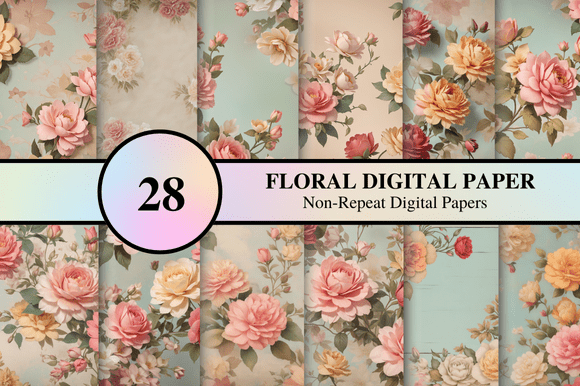
Understanding Floral Digital Paper: A Practical Guide for Crafters and Designers
Floral digital paper has become a staple resource for anyone working with visual projects, from invitations and scrapbooking to branding mockups and printable decor. At its simplest, it is a high-resolution image file—typically in JPEG or PNG format—featuring floral patterns that you can download, print, or use in digital software. Unlike traditional scrapbook paper or printed wrapping paper, floral digital paper exists entirely in the digital realm until you decide to output it, giving you flexibility in scale, repetition, and editing. This article explores what makes floral digital paper distinct, how it compares with other pattern resources, and the practical factors to consider when deciding whether it fits your project needs.
What Floral Digital Paper Is and What Makes It Distinct
Floral digital paper sets usually come as coordinated collections of patterned sheets. A typical bundle might include a dozen or more designs, each featuring flowers, leaves, vines, or botanical motifs in a consistent color palette. The key distinction from a simple photograph of flowers is that these files are designed to tile seamlessly or to fill a standard page size, making them ready for printing or compositing without cropping headaches.
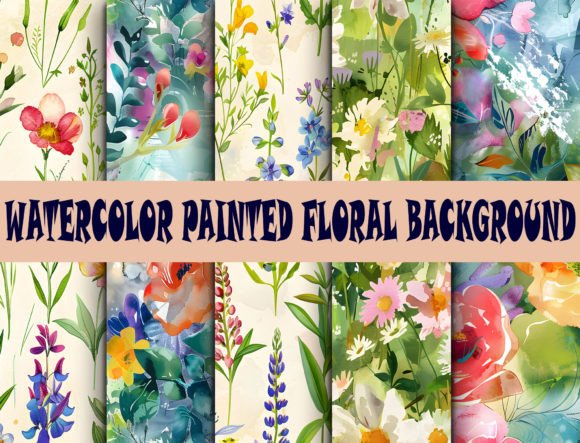
Another defining feature is the variety of illustration styles available. You can find watercolor-style blooms with soft, painterly edges, line-art florals with crisp white backgrounds, vintage botanical prints with muted earth tones, or modern minimalist patterns with geometric floral shapes. This stylistic breadth means floral digital paper can serve projects ranging from rustic wedding invitations to clean corporate branding—provided you match the aesthetic to the context.
What truly sets digital paper apart from physical alternatives is the ability to resize, recolor, or combine patterns without destroying the original. If you need a smaller motif for a gift tag, you can scale the file down. If you want a wallpaper-sized repeat, you can tile the pattern in design software. This non-destructive flexibility is something physical paper stock simply cannot offer.
Comparing Floral Digital Paper with Printed Pattern Paper
The most direct comparison is between floral digital paper and conventional printed scrapbook or craft paper. Printed paper has tactile advantages: you can feel its texture, fold it without worrying about ink bleeding, and it works immediately in physical projects without needing a printer. However, printed paper is limited by what is available in stores or what you can find in a pack. Once you use a sheet, it is gone, and if you make a mistake, you often need to buy another pack.
Floral digital paper solves these pain points. One purchased set can be printed as many times as you need, for as many projects as you like, at whatever size your printer supports. If you cut a shape incorrectly, you simply print another sheet. That repeatability makes digital paper especially cost-effective for high-volume projects like wedding favors, classroom crafts, or retail product packaging.
On the other hand, printed paper removes the need for a decent printer, quality paper stock, and calibration. If you lack a reliable color printer or prefer the exact texture of a specialty cardstock, printed paper may be a more straightforward choice. The tradeoff is inventory and variety: you stock physical sheets rather than digital files, and you may run out of a pattern you want to reuse.
Print Quality Considerations
When using floral digital paper, the final quality depends heavily on your printer and paper. A home inkjet can produce lovely results on matte photo paper or premium cardstock, but it will look different on standard copy paper. If you plan to print often, consider ordering prints from a professional service—many online printers accept digital files and can print on heavier, textured paper that mimics the feel of traditional scrapbook paper. This hybrid approach gives you the selection of digital paper with the finish of printed stock.
Comparing Digital Paper Styles: Photorealistic versus Illustrated
Within floral digital paper itself, there is a meaningful distinction between photorealistic patterns and illustrated or stylized designs. Photorealistic floral paper uses high-resolution photographs of actual flowers arranged in repeating patterns. These can be stunning for projects that need a lush, natural look, such as botanical prints or nature-themed branding. They also tend to work well as backgrounds for photo overlays because the depth and lighting can feel continuous with real imagery.
Illustrated floral paper, by contrast, offers cleaner color separation and more uniform visual weight. A vector-based floral pattern can scale to any size without pixelation, and its solid color areas are easier to overlay with text or graphics. Illustrated designs often have a lower visual noise level, which is beneficial when the pattern is meant to function as a background rather than the main focal point.
Your choice here depends on the role the paper plays in your project. If the floral pattern is the star, photorealistic imagery can be compelling. If you need a backdrop that supports other elements—like a quote, a logo, or a photograph—illustrated patterns usually create less distraction and are more forgiving when combined with other design layers.
Key Strengths
- Unlimited reproduction. Print exactly what you need, when you need it, with no inventory waste.
- Instant delivery. Download files immediately after purchase, avoiding shipping delays.
- Scalability. Resize patterns for small tags, medium card fronts, or large posters without resolution loss (especially with vector-based sets).
- Color consistency. Coordinated collections ensure all patterns share a palette, making matching effortless.
- Variety without bulk. Own dozens of patterns without needing storage space for physical paper stacks.
Tradeoffs and Limitations
- Printer dependency. Output quality varies by printer, ink, and paper—low-end setups may disappoint.
- No physical texture. Even when printed on textured paper, the pattern itself lacks the embossed or foil effects that specialty printed paper can have.
- Learning curve. Editing, resizing, or tiling patterns requires basic software skills and a program like Adobe Photoshop, Canva, or Affinity.
- Licensing variability. Not all digital paper sets allow commercial use—always check the license if you intend to sell products made from the patterns.
When Floral Digital Paper Is the Right Choice
Floral digital paper shines in projects that benefit from iteration, variety, and precise control. Here are several scenarios where it is a particularly strong fit:
- Wedding or event stationery suites. Because you can print on demand, you can test different paper stocks, adjust sizes, and create matching place cards, menus, and signage without ordering large minimum quantities.
- Digital-only content. Social media graphics, blog backgrounds, Pinterest pins, and e-book covers often look best with seamless repeating patterns that read well on screen. Floral digital paper is already optimized for digital display.
- Small business product packaging. If you run a handmade business, printing your own packaging inserts, thank-you cards, or labels with a consistent floral theme helps build a brand identity affordably.
- Classroom or children’s crafts. The ability to reprint a pattern after a child cuts it up means less waste and more creative freedom.
When You Might Need Another Option
There are also situations where floral digital paper may not be the ideal resource. If you value heavy texture, foil stamping, or embossed details, physical specialty paper often delivers results that digital printing cannot replicate. Similarly, if you are creating a one-time, low-volume project and already own a paper pad you like, the cost and effort of printing may outweigh the convenience of a digital download.
For large-format applications like wrapping paper rolls or wallpaper, most home printers cannot accommodate the size, and while you can send files to a wide-format printer, the per-roll cost may be higher than buying pre-printed rolls. In those cases, compare custom print services with ready-made wallpaper to see which option meets your budget and timeline.
Another scenario to consider is when you need extremely fine detail or metallic effects. Some digital papers simulate foil or glitter, but they ultimately print as flat colors. If your project relies on light-catching embellishments, physical paper with actual foil accents may be worth the investment.
Decision Factors for Choosing Floral Digital Paper
When evaluating whether floral digital paper suits your next project, consider these practical factors:
- Output method. Will you print at home, use a local print shop, or use an online printer? Each route affects paper options, cost, and turnaround.
- Color accuracy. Calibrate your monitor if possible, and order a test print before committing to a large run. What looks vibrant on screen may print darker or duller.
- File resolution. Look for files at 300 DPI for printing. Lower resolution may appear pixelated on paper, especially at larger sizes.
- Pattern repeat style. Seamless tiles are best for large areas, while single-page designs work well for cards and tags. Know which format your project requires.
- License terms. Confirm whether the set allows personal use only, commercial use, or unlimited commercial use if you plan to sell items featuring the patterns.
- Style coherence. Choose sets where the floral motifs, color palette, and overall mood match the tone of your project—rustic, elegant, whimsical, or modern.
Practical Examples to Guide Your Choice
Imagine you are designing a baby shower invitation. A watercolor floral digital paper with soft pastels can be printed at home on heavy cardstock, trimmed to size, and assembled with ribbon. If you later decide to make matching thank-you cards, you simply open the same file and print more sheets. That consistency and repeatability would be harder to achieve with a purchased paper pad if that pattern sells out or is discontinued.
Compare that with a scrapbook project meant to become a physical keepsake. You might prefer the tactile feel of printed paper from a specialty store, where each sheet has a unique texture or finish that adds sensory depth to the album. In that case, floral digital paper could still be useful for creating custom journaling cards or photo mats, but the bulk of the spreads might come from physical paper you can touch and inspect before buying.
For a digital creator building Instagram templates, floral digital paper is almost always the better choice. Patterns can be layered with text, masked behind shapes, and reused endlessly across posts without ever needing to print, scan, or photograph anything. The digital-native workflow saves time and preserves image quality across platforms.
Making an Informed Decision
Floral digital paper offers a flexible, cost-effective alternative to traditional printed pattern paper, especially when you need variety, repeatability, and control over scale and output. It is not a universal replacement for physical paper, but it expands the options available to designers, crafters, and business owners who want consistent floral imagery without committing to large inventories. By considering your output method, the importance of texture, your comfort with digital editing, and the specific requirements of your project, you can decide whether digital floral patterns or their physical counterparts better serve your goals.
The best approach is often a complementary one: keep a small collection of high-quality digital floral paper sets for projects that demand flexibility and a curated stash of printed paper for projects where feel and finish come first. Understanding the strengths and limitations of each helps you choose the right resource for each unique creative challenge.