Geometric Pattern: Structure, Versatility, and Practical Design Value
Geometric pattern is one of the oldest and most enduring visual languages in design, yet it remains one of the most relevant tools for modern creators. Whether you are building a brand identity, designing a website, producing packaging, or creating editorial layouts, geometric patterns offer a reliable way to introduce order, rhythm, and visual interest without relying on organic forms or illustrative complexity. Understanding what makes a geometric pattern effective, and knowing when and how to use one, can significantly improve the consistency and impact of your work.
Understanding Geometric Pattern Beyond Decoration
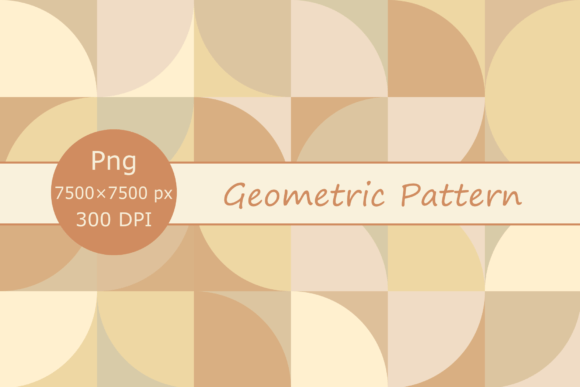
At its core, a geometric pattern is a repeating arrangement of shapes such as lines, circles, polygons, grids, or chevrons. What distinguishes a well-crafted geometric pattern from simple repetition is the intentional relationship between the elements. The spacing, scale, orientation, and rhythm all contribute to how the pattern reads at different distances and in different contexts.
A geometric pattern can function as a subtle texture that adds depth to a background, or it can be a bold, defining visual element that drives an entire composition. The best geometric patterns strike a balance between predictability and surprise. They feel structured without being monotonous, and they provide enough variation to keep the eye engaged over repeated viewing.
From a practical standpoint, geometric patterns are valuable because they can be scaled, rotated, recolored, and adapted across media without losing their essential character. This makes them especially useful for brand systems, packaging families, and digital interfaces where consistency across formats is critical.
Key Characteristics That Define Quality in Geometric Patterns
Not all geometric patterns deliver the same results. When evaluating a geometric pattern for a project, several characteristics determine whether it will perform well or fall flat.
Precision and Alignment
Because geometric patterns rely on exact shapes and regular intervals, even small misalignments become noticeable at scale. High-quality patterns are constructed with mathematical precision, ensuring that tiles repeat seamlessly and that intersections are clean. This is particularly important when the pattern is used in large formats such as wall coverings, signage, or digital backgrounds where the repeat is visible across wide areas.
Scalability
A good geometric pattern holds its visual integrity at multiple sizes. A pattern that works well as a small texture on a business card may become chaotic or overly dense when enlarged to a poster. Conversely, a pattern designed for large spaces may lose its impact when reduced. Patterns that include multiple element sizes or variable spacing tend to scale more gracefully than those with a single, uniform motif.
Rhythm and Flow
The visual rhythm of a geometric pattern determines how the eye moves across it. Patterns with a steady, even rhythm feel calm and orderly. Patterns with alternating or progressive rhythms create energy and movement. The choice depends on the tone you want to communicate. A financial services brand may benefit from a calm, grid-based pattern, while a creative agency might use a dynamic chevron or overlapping circle pattern to convey motion.
Color Flexibility
A well-designed geometric pattern works in a single color, in a limited palette, or in full color. This flexibility allows the pattern to be used across different contexts without requiring a complete redesign. Patterns that rely too heavily on color contrast to define their shapes may lose readability in monochrome applications, such as print proofs, watermarks, or accessibility-focused layouts.
Practical Strengths and Real-World Performance
In real-world use, geometric patterns offer several advantages that more organic or illustrative patterns do not. They are computationally light for digital rendering, which means they load quickly on websites and do not slow down design software. They also translate cleanly to print, with no loss of detail due to halftoning or registration issues when properly prepared.
For marketers and content creators, geometric patterns provide a way to reinforce brand identity without relying on logos or photography. A consistent geometric pattern used across a website, social media graphics, and printed materials creates a recognizable visual system that audiences associate with the brand. This is especially useful for startups and small businesses that may not have an extensive library of original imagery.
In editorial and publishing contexts, geometric patterns serve as a versatile tool for section breaks, chapter openers, and page backgrounds. They add visual structure to layouts without competing with text or photography. Because they are abstract, they do not carry the cultural or narrative weight that figurative imagery does, making them suitable for global audiences.
Who Benefits Most From Geometric Patterns
Geometric patterns are not a one-size-fits-all solution, but they serve a wide range of professionals in distinct ways.
Brand and Graphic Designers
For designers building visual identities, geometric patterns offer a consistent and repeatable element that can be applied across stationery, packaging, digital ads, and environmental graphics. They provide a sense of professionalism and intentionality that helps establish credibility early in a brand's lifecycle.
Web and UI Designers
In digital interfaces, geometric patterns are useful for hero sections, background textures, hover states, and loading animations. They add visual depth without increasing page weight significantly. Patterns with low contrast work well as subtle backgrounds that do not distract from content, while higher contrast patterns can define interactive zones or highlight calls to action.
Content Creators and Bloggers
For bloggers and publishers, geometric patterns are an efficient way to create consistent visual assets for featured images, social media posts, and email headers. A small library of patterns in brand colors can replace the need for custom illustrations or stock photography, saving time and maintaining visual cohesion.
Product and Packaging Designers
In packaging, geometric patterns help products stand out on shelves by providing bold, recognizable visual cues. They are especially effective for products targeting younger demographics who value clean, modern aesthetics. Patterns can be printed across boxes, bags, and labels with minimal production complexity.
Educators and Course Creators
For educators developing slide decks, handouts, and online course materials, geometric patterns provide a structured way to organize information without relying on clip art or distracting visuals. A simple pattern used as a slide background or infographic border keeps materials looking polished and professional.
Choosing and Integrating Geometric Patterns Effectively
Selecting the right geometric pattern requires a clear understanding of the project's goals and constraints. Start by defining the visual tone. Is the pattern meant to be prominent or subtle? Should it convey stability, energy, precision, or playfulness? These questions guide whether you choose a grid-based pattern, a radial pattern, or a more irregular geometric arrangement.
Scale testing is essential. Before committing to a pattern, view it at the actual sizes it will be used. A pattern that looks balanced on a screen may appear too dense when printed at full size, or too sparse when reduced to a social media avatar. Many pattern libraries include multiple scales or allow for easy adjustment, which reduces the need to rebuild from scratch.
Color selection matters more than many creators realize. A geometric pattern with high contrast between elements will be more visible and energetic, while low contrast patterns recede and feel more sophisticated. For long-term brand use, choose a pattern that works in both light and dark modes, and test it on white, black, and colored backgrounds.
Integration should be gradual. Use the pattern in one or two high-visibility touchpoints first, then expand to additional applications. This approach lets you assess how the pattern interacts with other visual elements before committing to a full rollout.
Limitations and Considerations
Geometric patterns are not without limitations. Their structured nature can feel cold or impersonal in contexts where warmth and human connection are important. For brands centered on storytelling, community, or handmade products, a purely geometric approach may conflict with the desired tone. In those cases, combining geometric patterns with organic textures, photography, or handwritten typography can create a more balanced result.
Overuse is another risk. When every element in a layout uses the same geometric pattern, the design can become flat and repetitive. Patterns work best when they are used deliberately, not as a default filler. Leaving negative space and allowing some areas to remain pattern-free keeps the overall composition fresh.
Accessibility is also a consideration. High-contrast geometric patterns can cause visual discomfort for some viewers, especially when used as backgrounds behind text. Patterns with fine lines or dense repeats may trigger motion sensitivity when viewed on screens. Always test patterns on actual users when possible, and provide low-stimulus alternatives for key content areas.
Final Observations on Long-Term Value
Geometric patterns offer lasting value because they are fundamentally flexible. A pattern designed today can be updated with new colors, rotated for a different orientation, or cropped to create new variations without losing its core identity. This adaptability makes them a smart investment for brands and creators who want visual systems that evolve rather than become outdated.
The most effective geometric patterns are the ones that feel intentional. They are not chosen simply because they look appealing in isolation, but because they serve the structure, tone, and usability of the project as a whole. When used with a clear purpose, geometric patterns become more than decoration. They become a functional part of how an audience experiences and remembers your work.